
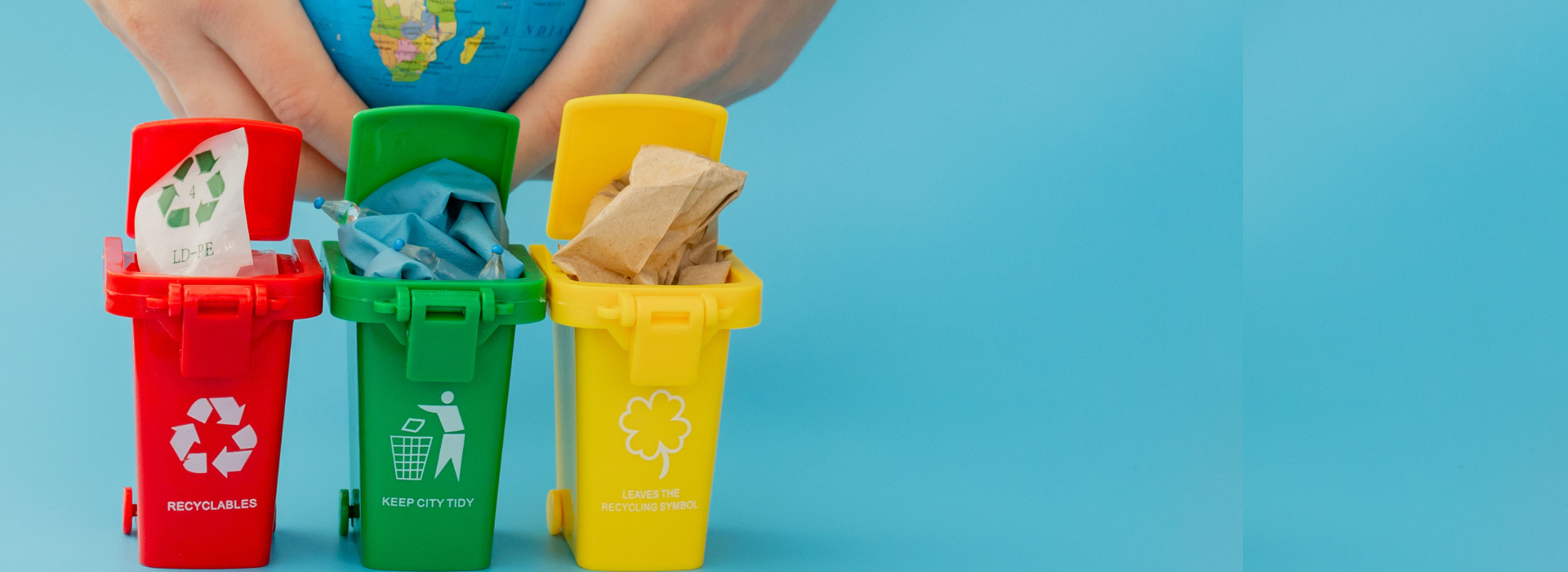
The Green Side of Batteries: Recycling and Responsible Disposal
Hello, eco-conscious road enthusiasts! We’re Incoe Battery PH, your friendly neighborhood battery experts, and today, we’re exploring a topic close to our hearts – battery recycling and responsible disposal. If you have any questions or need guidance on this topic, feel free to reach out to us at (02) 83616491 or send us an email at pollux.inquiry@gmail.com.
Let’s dive into the green side of batteries and learn how you can play your part in protecting our environment.
Why Battery Recycling Matters
Batteries, whether they’re in your car, your remote control, or your laptop, contain various materials, including lead-acid, nickel-cadmium, and lithium-ion. These materials can be harmful to the environment and human health if not disposed of properly. By recycling your old batteries, you help:
- Prevent pollution: Recycling keeps hazardous materials out of landfills and incinerators, reducing the release of harmful substances into the air and water.
- Conserve resources: Recycling allows the valuable materials in batteries to be recovered and reused. This reduces the need for mining and manufacturing new materials.
- Reduce energy consumption: Creating new batteries from recycled materials typically requires less energy than manufacturing batteries from scratch.
Types of Batteries and How to Recycle Them
1. Lead-Acid Batteries
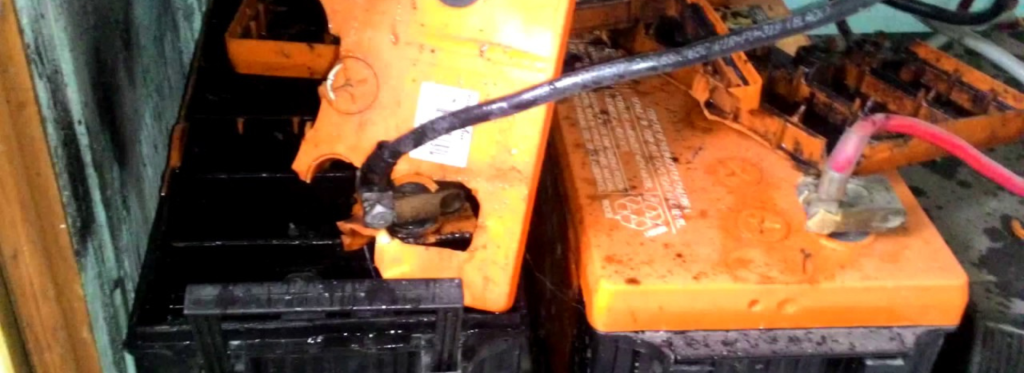
Lead-acid batteries are commonly used in vehicles. They are highly recyclable, with more than 95% of the components being reused. Here’s how to recycle them:
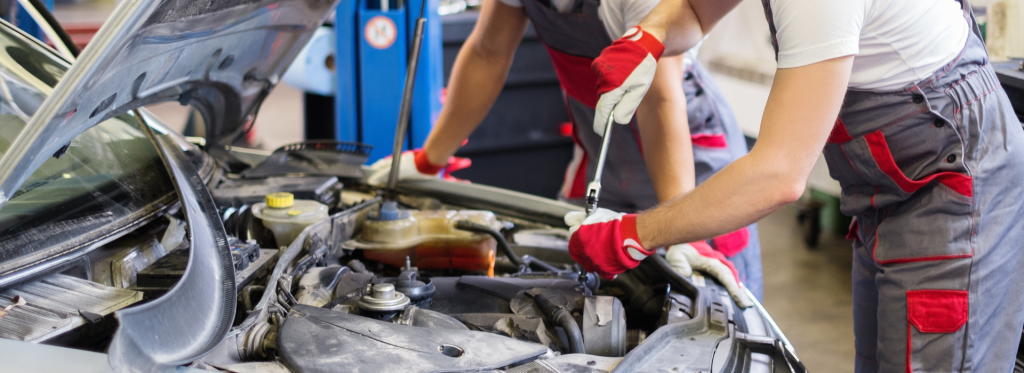
- Vehicle Service Centers: Many auto repair shops and vehicle service centers accept old lead-acid batteries for recycling. They often send them to specialized recycling facilities.
- Recycling Centers: You can also drop off lead-acid batteries at recycling centers in your area. These facilities are equipped to handle battery recycling responsibly.
Longer Lifespan
One common concern with batteries is their lifespan. Traditional lead-acid batteries have limited cycles. In the future, expect batteries with significantly extended life spans. This not only reduces waste but also saves you money in the long run.
2. Rechargeable Batteries
Rechargeable batteries, like nickel-cadmium (Ni-Cd) and lithium-ion (Li-ion) batteries, are often found in electronics, power tools, and portable devices. They are also recyclable.
- Collection Programs: Look for local collection programs or drop-off locations for rechargeable batteries. Many electronic retailers offer collection bins for these batteries.
- Mail-Back Programs: Some organizations provide mail-back programs, allowing you to send your used rechargeable batteries for recycling.
3. Alkaline Batteries
Alkaline batteries are the ones you commonly use in household items. They are considered non-hazardous and can be safely disposed of in the regular trash in most places. However, if you’d like to recycle them:
- Check Local Regulations: Some regions offer recycling options for alkaline batteries. Check with your local recycling facilities or government for guidance.
Responsible Disposal of Non-Recyclable Batteries
Some batteries, like single-use alkaline batteries, may not have convenient recycling options in your area. In such cases, consider the following practices for responsible disposal:
- Check with Local Authorities: Contact your local government or environmental agencies to find out if there are designated disposal locations for non-recyclable batteries.
- Use Rechargeable Batteries: Whenever possible, switch to rechargeable batteries. They are more eco-friendly as they can be used multiple times.
The Role of Incoe Battery PH
At Incoe Battery PH, we take our environmental responsibilities seriously. We support battery recycling and responsible disposal practices, and we can assist you in recycling your old vehicle batteries. Our aim is not only to provide top-quality batteries but also to ensure that the old ones are disposed of in an eco-friendly manner.
If you have questions about battery recycling or need assistance in recycling your old batteries, don’t hesitate to reach out to us at (02) 83616491 or send us an email at pollux.inquiry@gmail.com. We’re not just experts in batteries; we’re your partners in creating a greener and cleaner environment.
Together, we can power your ride while preserving our planet.
Leave a Comment